
The Beginners Guide to Planting the Best Berries
Spring is here and we couldn’t be happier. Warmer weather, longer days, and of course… the berry season starting soon in October. Many people talk about wanting to grow their own food but feel lost on where to get started or how to keep it up.
We think berries are a perfect starting point for beginners, they are easy to grow, and the rewards of your effort are so sweet.
Here are all the berries we’re going to cover:
Here are all the Berries we’re going to cover:
We’re going to take you through the best berries to grow yourself, giving you a full guide on how to successfully take care of them. We’ll also help you choose which berry plant to start with, pointing out the strengths, benefits and suitability of each one.
We’ll start with one of our personal favourite types of berry – strawberries.
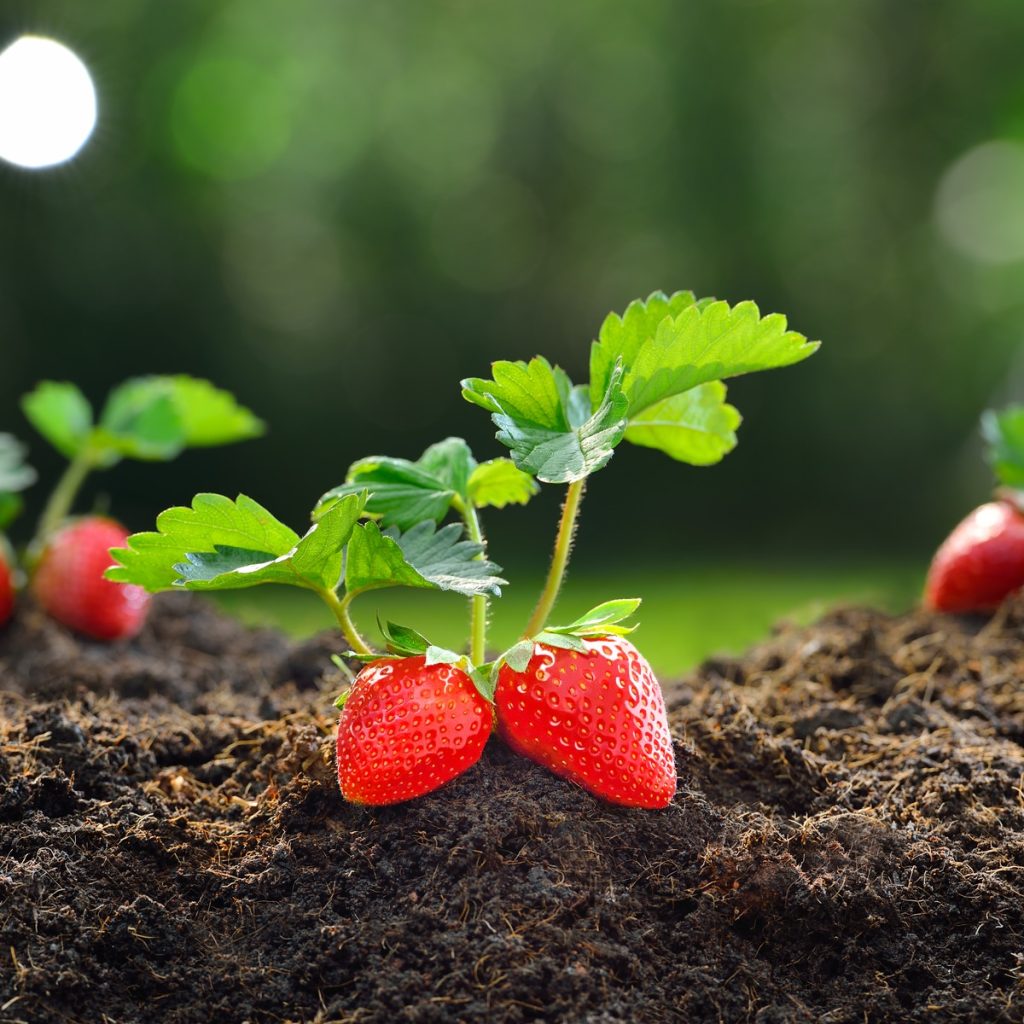
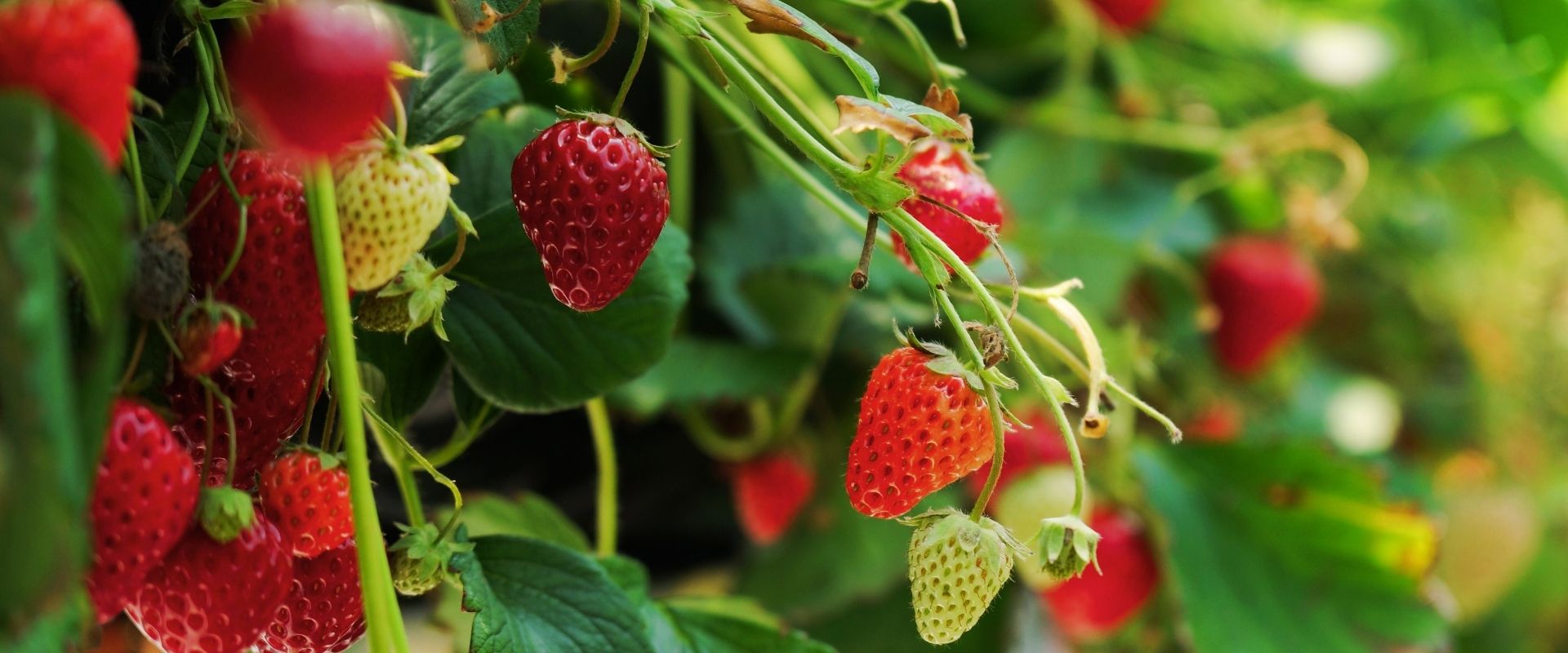
Strawberries are one of the easiest and most rewarding berries for beginners. Perfect for our first berry on this list. You don’t have to wait long to (literally) enjoy the fruits of your labour – strawberries produce fruit in their first season.
Reasons to Plant
The actual strawberry plant is a beautiful feature in your garden, with the fruit providing many health benefits. Strawberries bloom with pretty white flowers that are followed by the vibrant red fruit – adding a nice splash of colour to the garden.
Strawberries are high in vitamin C, antioxidants, and fibre making them good for immunity, skin health, and digestion.
Where to Plant
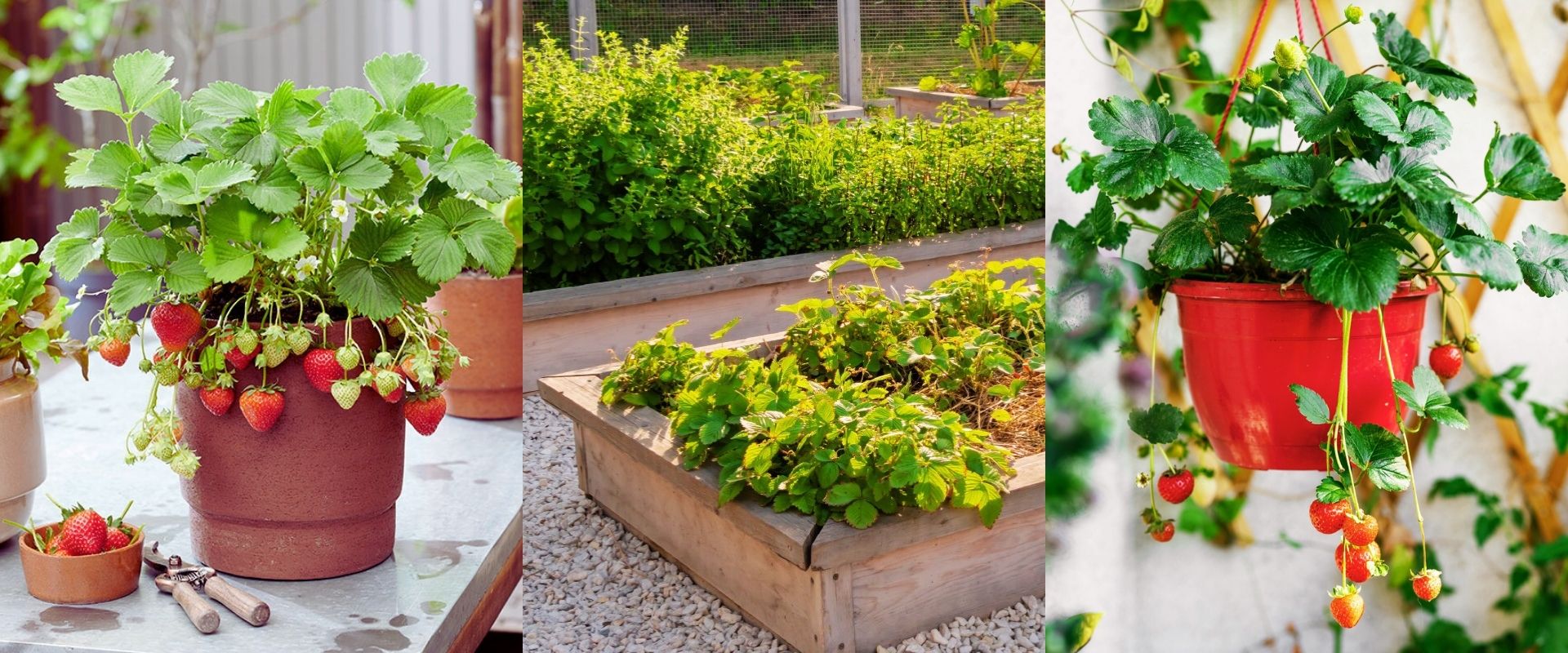
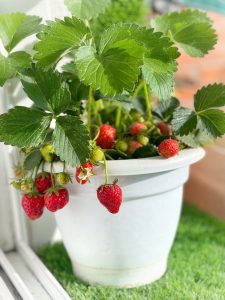
You have the choice between the garden bed, a hanging basket or a pot. This versatility is great for small spaces, or homes that only have a balcony or courtyard garden.
Strawberries are compact, making them perfect for edging in the garden bed. You could also put them in a white pot to compliment their cute flowers.
Our Current Special Deal

Right now, kids can get their own strawberry plants (Fragaria ‘Red Gauntlet’ or ‘Tioga’) for just $0.99 each – the perfect way to encourage little gardeners to learn, nurture, and enjoy homegrown fruit. Adults can also grab strawberries for just $1.99 each.
This wonderful deal is only on for a very limited time – until the end of school holidays on October 8th, 2025. There is also a limit of 2 strawberries at $0.99c each per child.
How to Plant
You want to make sure the spot you’ve picked gets at least six hours of sun daily as strawberries need lots of sun. Then make sure the soil is well-drained, rich in compost and slightly acidic (pH 5.5–6.5).
If you’re planting multiple strawberries, space them 30cm apart, and if creating rows make the rows 40-50cm.
Once planted make sure to water them regularly but avoid over-watering to the point of waterlogging them.
Hot tip: mulch with straw to keep the fruit clean and deter weeds.
Reasons to Plant
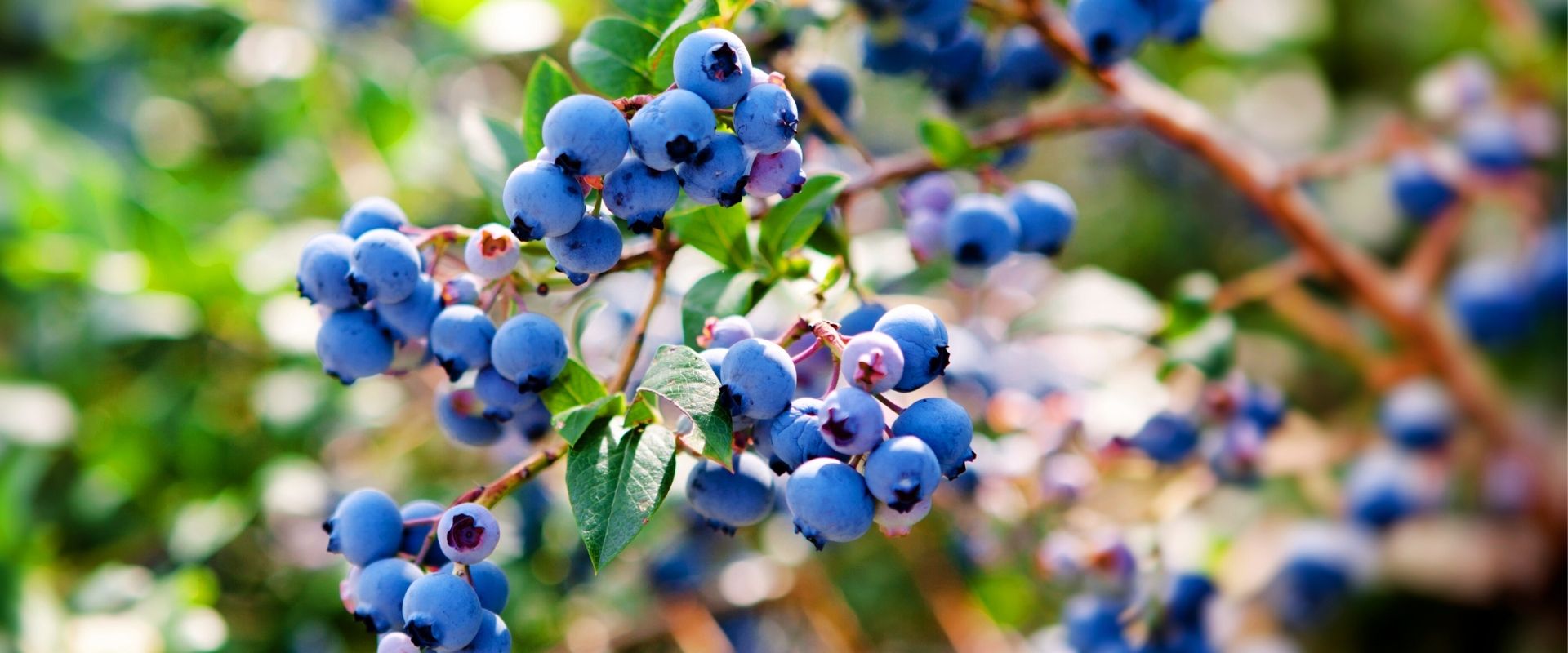
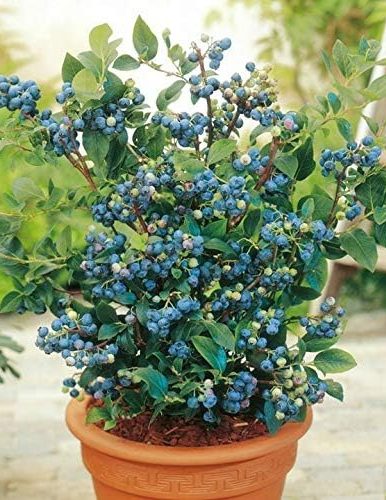
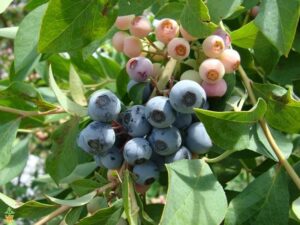
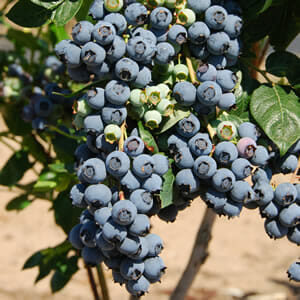
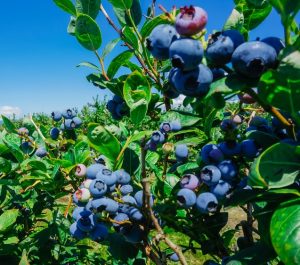
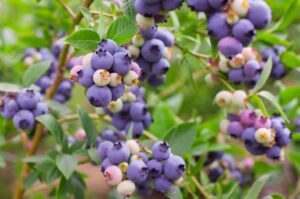
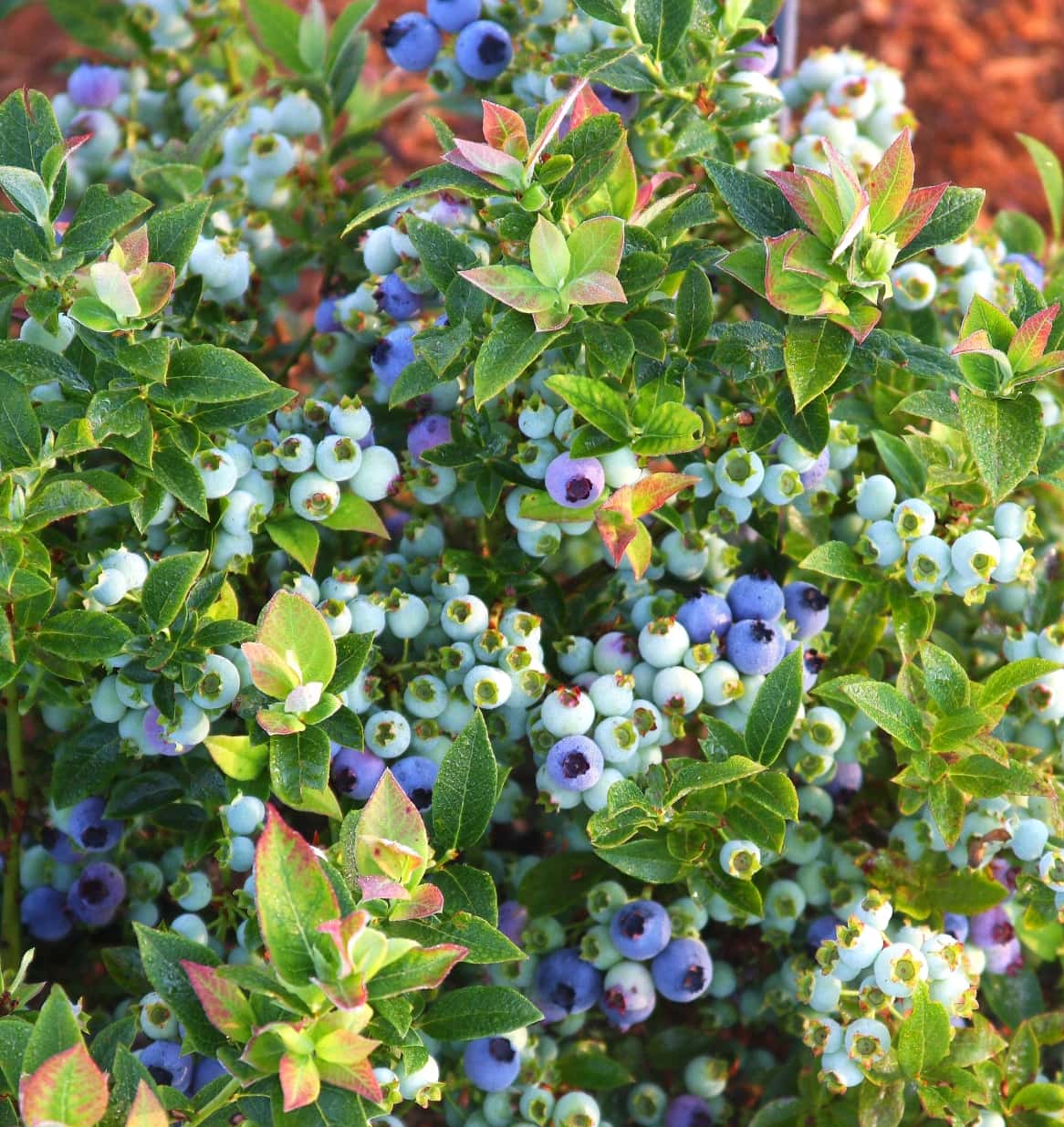
So we start in summer with emerald green foliage and blue jewel-like berries. Those beautiful berries continue into autumn, where the foliage turns into vivid red and orange hues.
Then in springtime delicate, bell-shaped flowers appear that are either tinged pink or white. This is a plant that is really a feature in the garden as well as an asset in the kitchen.
Blueberries have many health benefits and are packed with antioxidants, vitamin C, vitamin K, and fibre. Blueberries support heart health, brain health, and immunity.
Blueberries are also one of the best long term investments of the different berry plants as they are a very reliable bush that lasts for many years.
Where to Plant
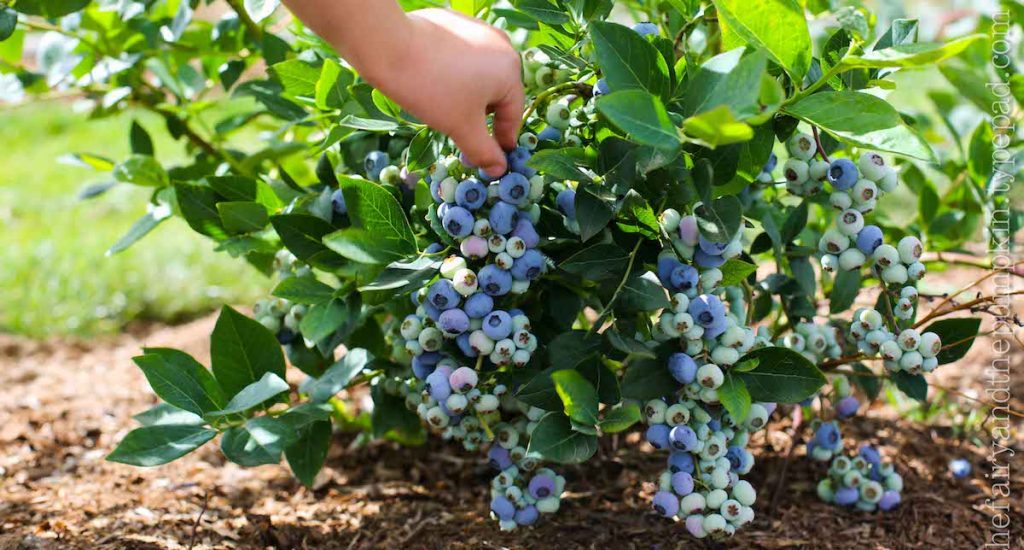
Blueberry plants can be grown in a garden bed or pot. They are larger than strawberries, growing to a about 1-2 metres so make sure to get a big pot to allow root growth. If growing in a pot, also ensure there is correct drainage.
How to Plant
Blueberries can be grown in full sun to part shade – just make sure the soil is quite acidic (pH 4.5–5.5). It’s a good idea to use acidic mulch like pine needles or peat moss.
Space the blueberry bushes 1-1.5 metres apart. Blueberries love moist soil, but don’t let it get soggy.
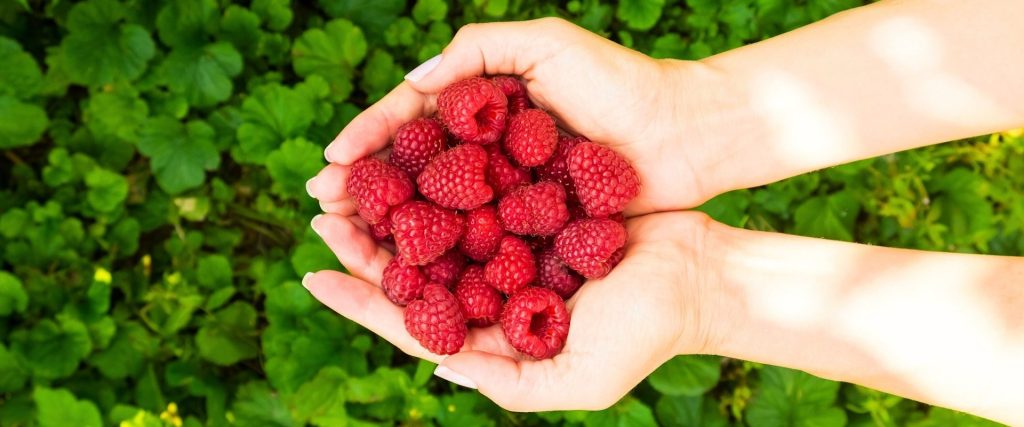
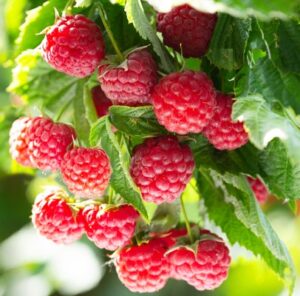
There’s nothing more satisfying than eating raspberries off your fingers – it’s such a quintessential summer experience. They are very well suited to Victoria’s cool winters and warm summers.
Raspberries are quite prolific growers where you can choose between a summer-bearing or autumn-bearing variety to have fruit when you want it.
They add vertical beauty to gardens with tall canes and fruit that is bright and eye catching. Raspberries are also known for their anti-inflammatory properties and digestive health, and are rich in vitamin C, manganese, and fibre.
Where to Plant
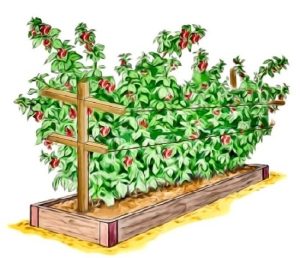
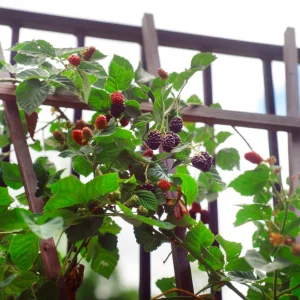
As raspberries grow up you want to plant it by a fence or create a support structure for it to grow upon. If you’re planting it by a fence, make sure to attach a trellis, or some type of wire structure.
These would be great in a veggie garden bed, but certain varieties can be grown in pots.
How to Plant
Raspberries want to be planted in full sun and need well-drained, fertile soil. Space the canes 50-60cm apart in rows that are 1.5-2m apart.
Make sure to support the raspberry canes with a trellis or wires to keep them upright. Prune raspberries yearly by removing old canes after fruiting and leaving new ones for next year.
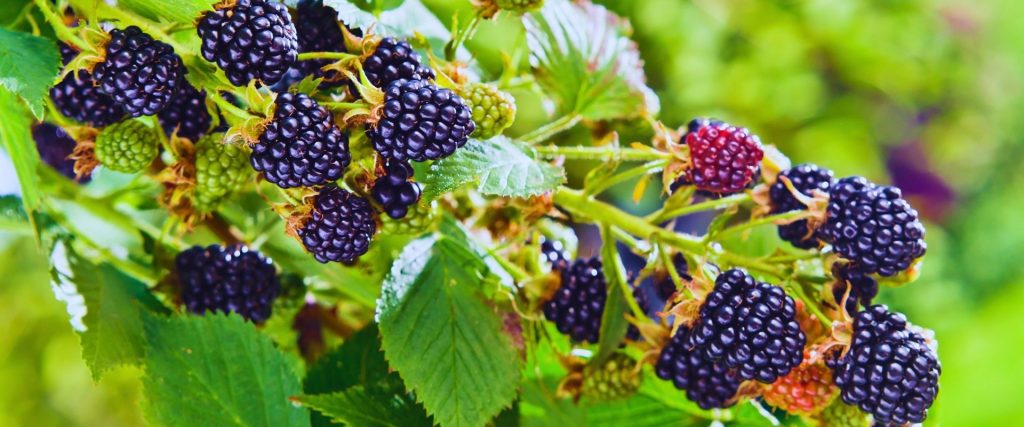
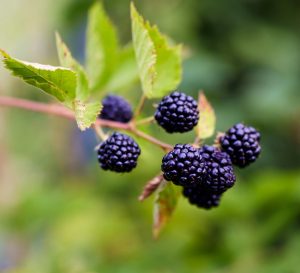
If you are someone that tends to neglect your plants a bit, blackberries are an excellent choice for you as they are very hardy and drought tolerant. You can also find thornless varieties that are more beginner friendly.
Reasons to Plant
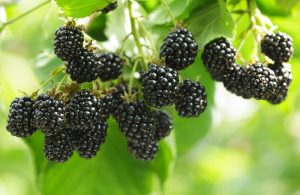
Blackberries are vigorous and highly productive growers – there are some varieties that can produce up to 10kg of fruit! Their hardy nature makes them a low maintenance berry that you don’t have to worry about.
Blackberries support immunity and bone health through their high levels of vitamin C, vitamin K, and antioxidants.
Where to Plant
Blackberries are great as a screen or for covering fences/trellises with their lush green foliage and glossy black fruit.
If you want to grow one in a pot, make sure the container is large enough with a support structure for the blackberry to grow up on.
Blackberries reach a height of 1.5-2 meters with canes that can spread 2-4 meters.
How to Plant
Once again, this berry needs a full sun spot and well-drained soil. You want to space the canes 2-3 metres apart. Make sure to train the blackberry on a trellis or wires to make a neater screen with fruit that is easily accessed.
Mulch to retain moisture and like raspberries cut the old canes after fruiting.
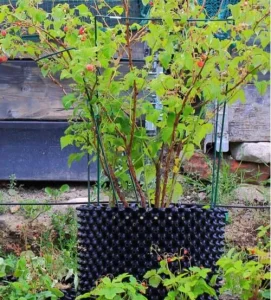
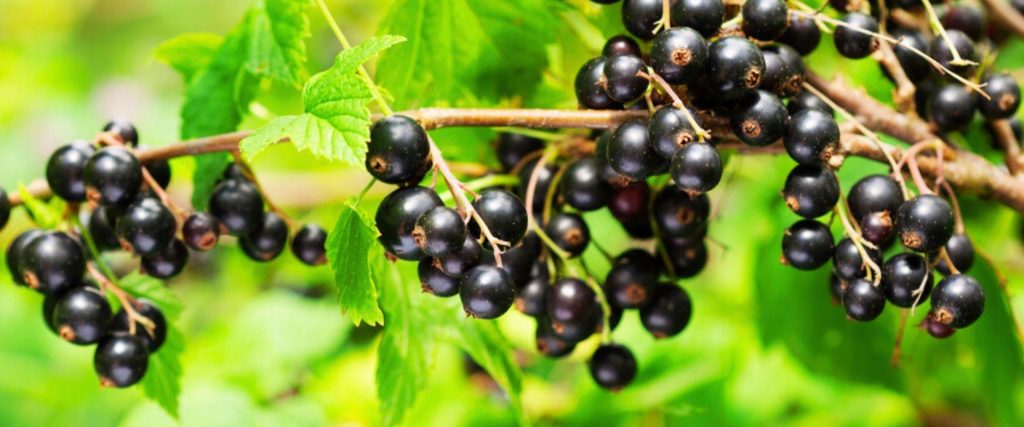
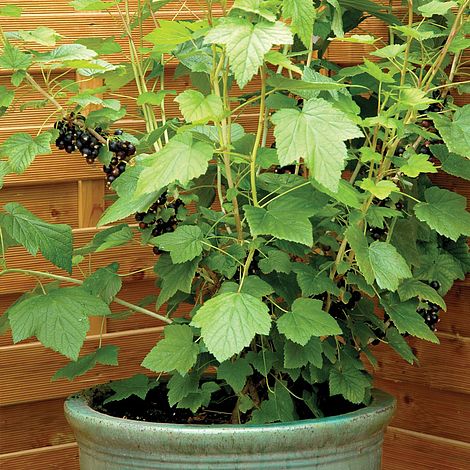
Black currants likely remind you of your childhood cordial drink and planting one means you can actually make your own drink from the fruit. Black currant is a self-pollinating shrub that has high yield of fruit in mid-summer.
Reasons to Plant
Black currants are utterly packed with flavour and nutritional value. Black currants actually have one of the richest sources of vitamin C. They are also high in iron and antioxidants which supports immunity and energy.
Their lush foliage and glossy dark fruit look beautiful in any garden. Black currants make excellent jams, juices and desserts.
Where to Plant
This bushy compact shrub is perfect in the garden or in a large pot.
Use black currants to form an attractive hedge, or train them vertically on a fence or trellis for a compact design, or incorporate them into a mixed berry patch.
How to Plant
Blackberries like full sun to part shade with fertile, good draining soil. Space them 1.5 metres apart and prune in winter to encourage new shoots.
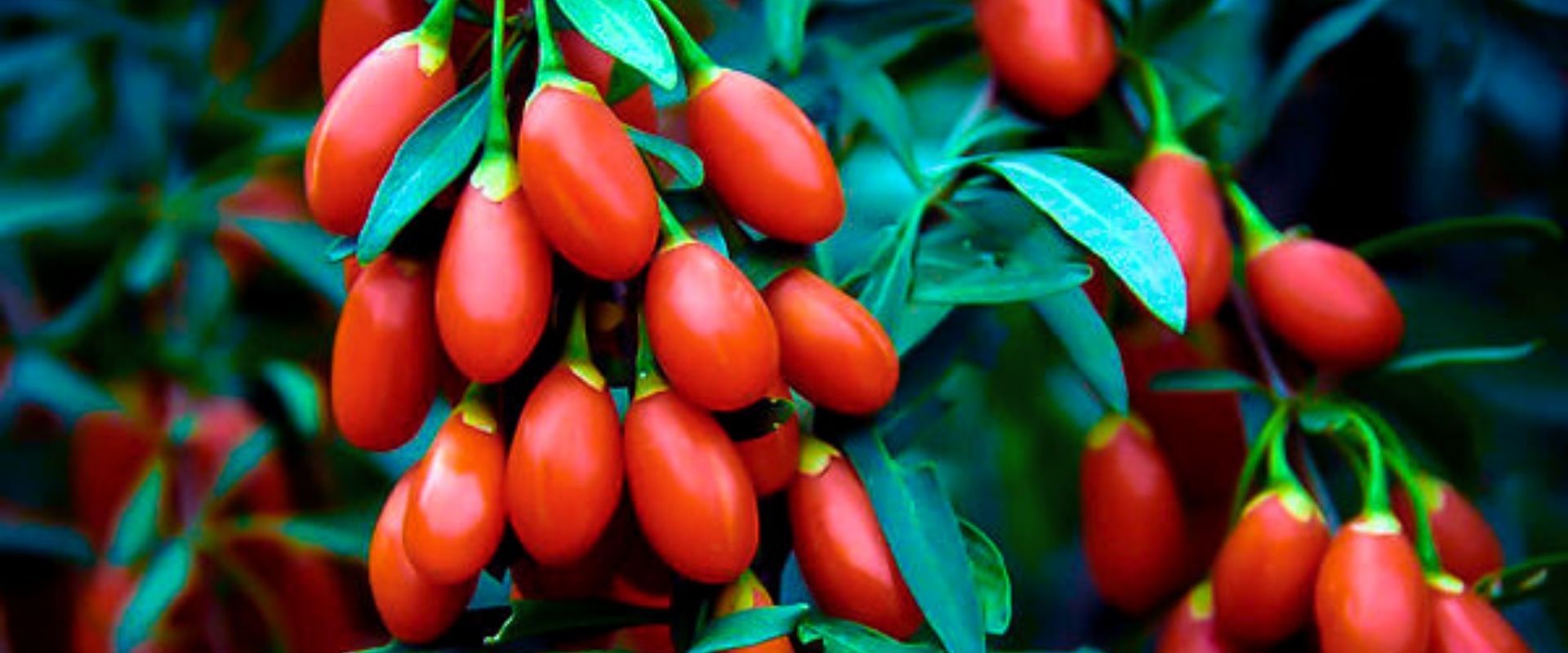
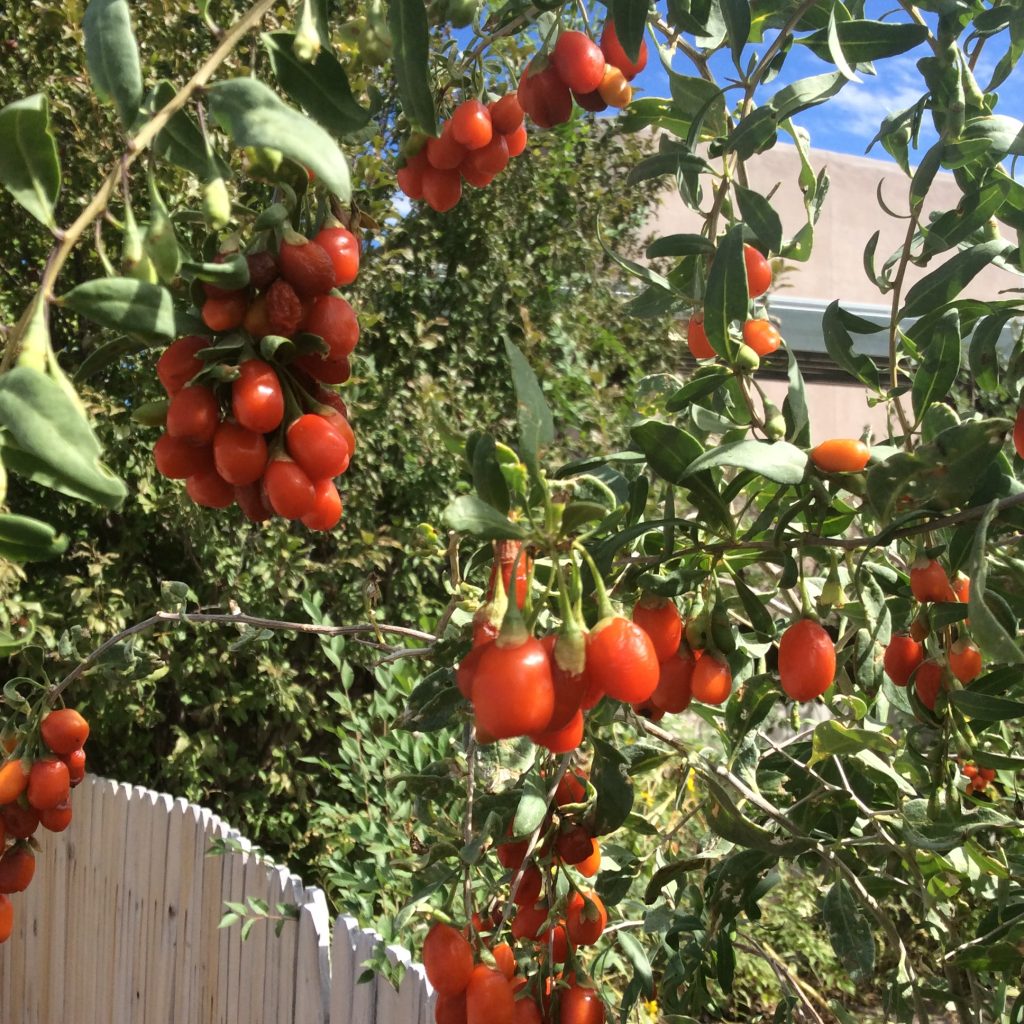
It’s likely you’ve just eaten expensive dried goji berries but they’re actually very easy to grow at home. They are native to Asia and are used in traditional Chinese medicine with the fruit ripening in late summer to autumn.
Reasons to Plant
Goji berries are also renowned as a superfood with so many health benefits. They are rich in antioxidants, vitamin A, vitamin C, and iron. Goji berries are known to support eye health, immunity, and energy.
They are also hardy and drought tolerant once established, making them a forgiving plant for those who don’t have a lot of time for the garden.
Where to Plant
The light green leaves and orange-red berries make for a beautiful shrub anywhere in the garden. They are particularly great for creating borders and mixed beds, or vertical structures on trellises.
Use them to create a backdrop for other plants or as a feature on their own.
How to Plant
Plant goji berries in full sun with well-drained soil. Space the plants 1.5-2m apart. Choose between growing them on a trellis or as a shrub. To encourage bushy growth make sure to prune.
In Conclusion
So which berry will you be picking? Don’t be afraid to try a few and create an assortment of delicious and beautiful berry plants in your garden.
You can always start with something really cheap and easy like strawberries and once you’ve grown your confidence, move onto other berries on this list.
Feeling inspired to create your own garden, but want some expert advice? Try our one-on-one garden design service with Chris. Together you’ll come up with a selection of plants along with a layout plan that gives you the look you want, as well as being suitable for your local soil and conditions.
get your own tailored modern garden design:
Articles you may also like

Top 10 Best Plants for Shady Areas
There has never been more shade in Melbourne as there is now. Townhouses, units, and apartments are on the rise. Backyards are getting smaller. Sunlight is becoming more blocked. But everyone still wants a garden filled with plants. And you

Top 10 late winter blossoms for an early spring
We put together this list of the Top 10 plants that flower first in late winter (to give you that early spring feeling) because let’s face it: everyone loves spring. After the cold, dark gloom of winter, it’s always wonderful

Top 10 Tips for Winter Garden Maintenance
Our tips for winter garden maintenance to prepare your garden for spring in Australia. Winter in the garden can seem like a miserable experience. Deciduous trees have lost all of their leaves, annuals have died down and a lot of