Common Names: Redbud, Mediterranean Redbud, Eastern Redbud, Judas Tree, Love Tree Origin: Asia, USA, Mediterranean
Year round interest
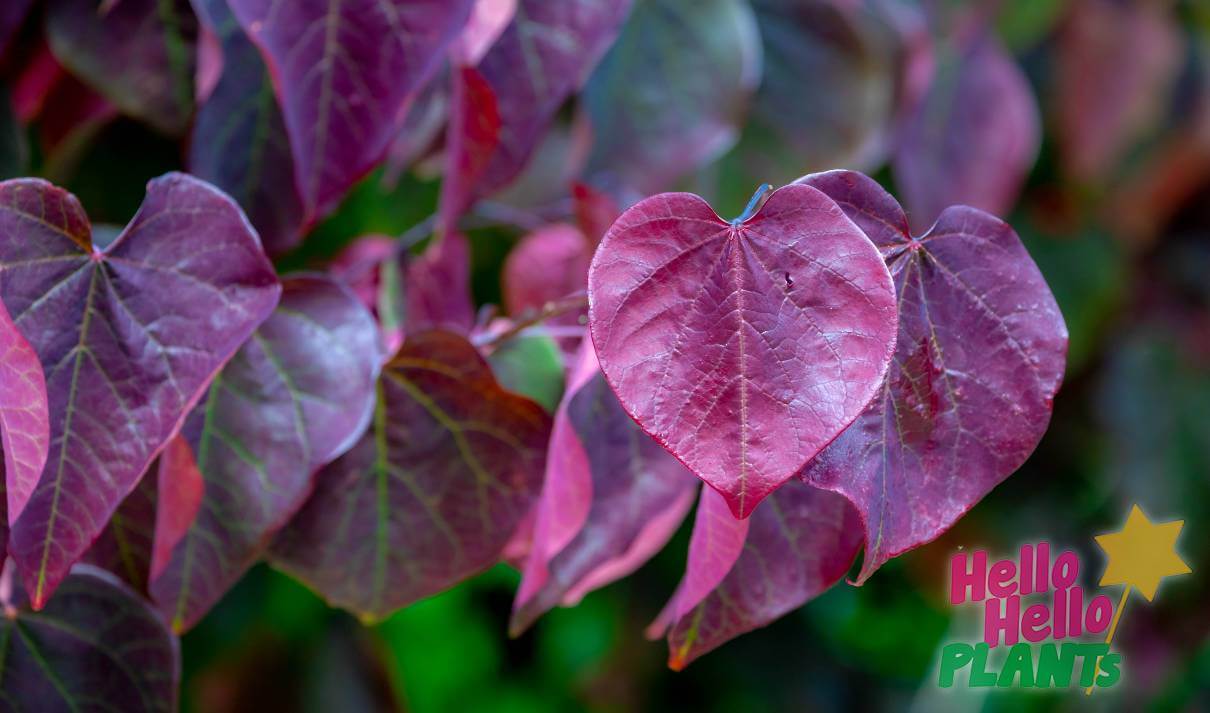
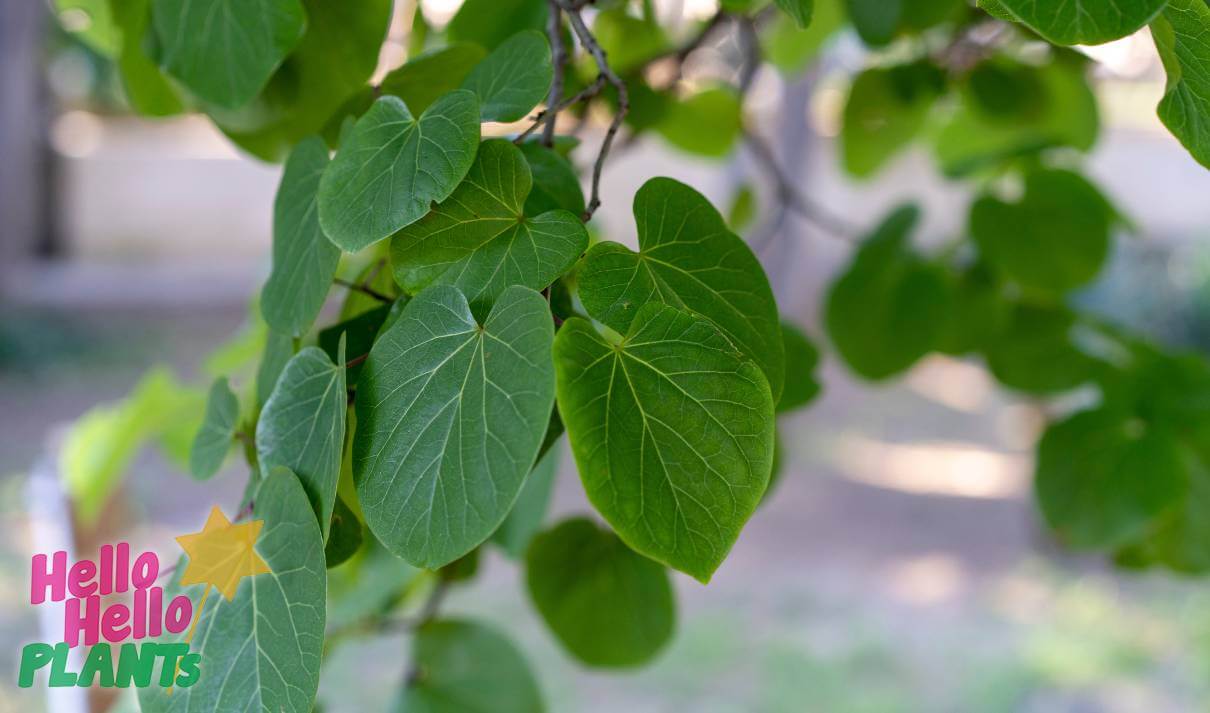
Unique heart shaped foliage
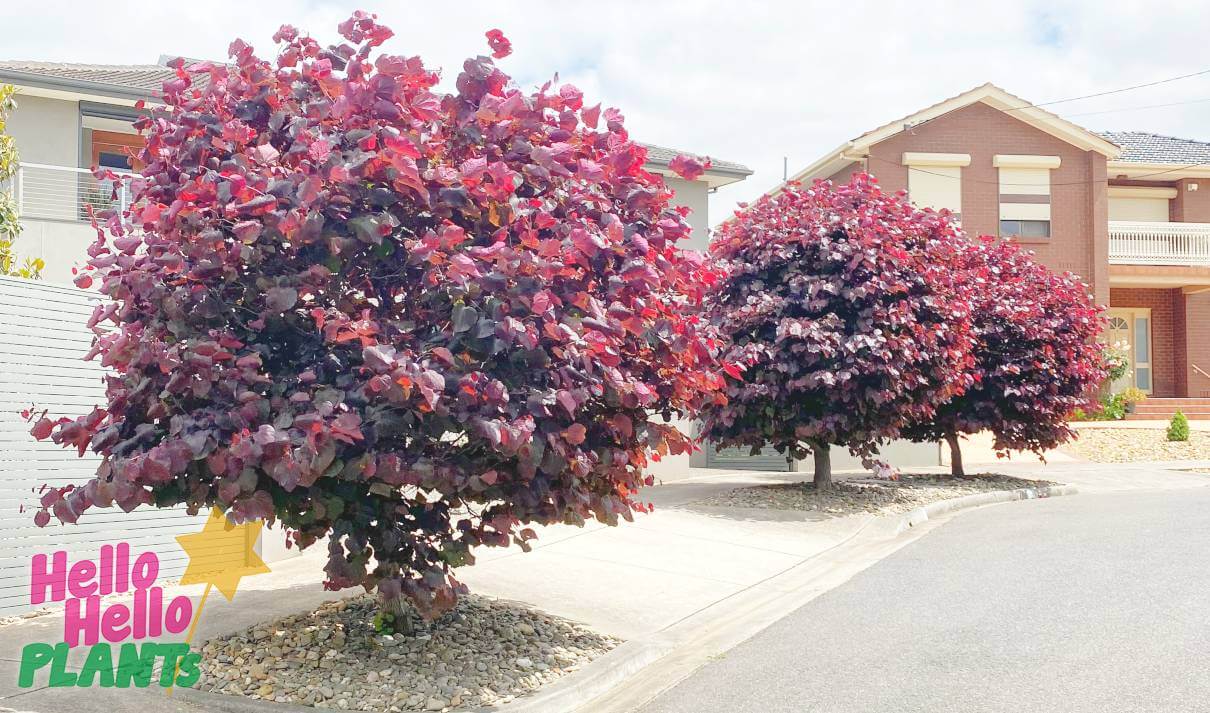
Feature tree
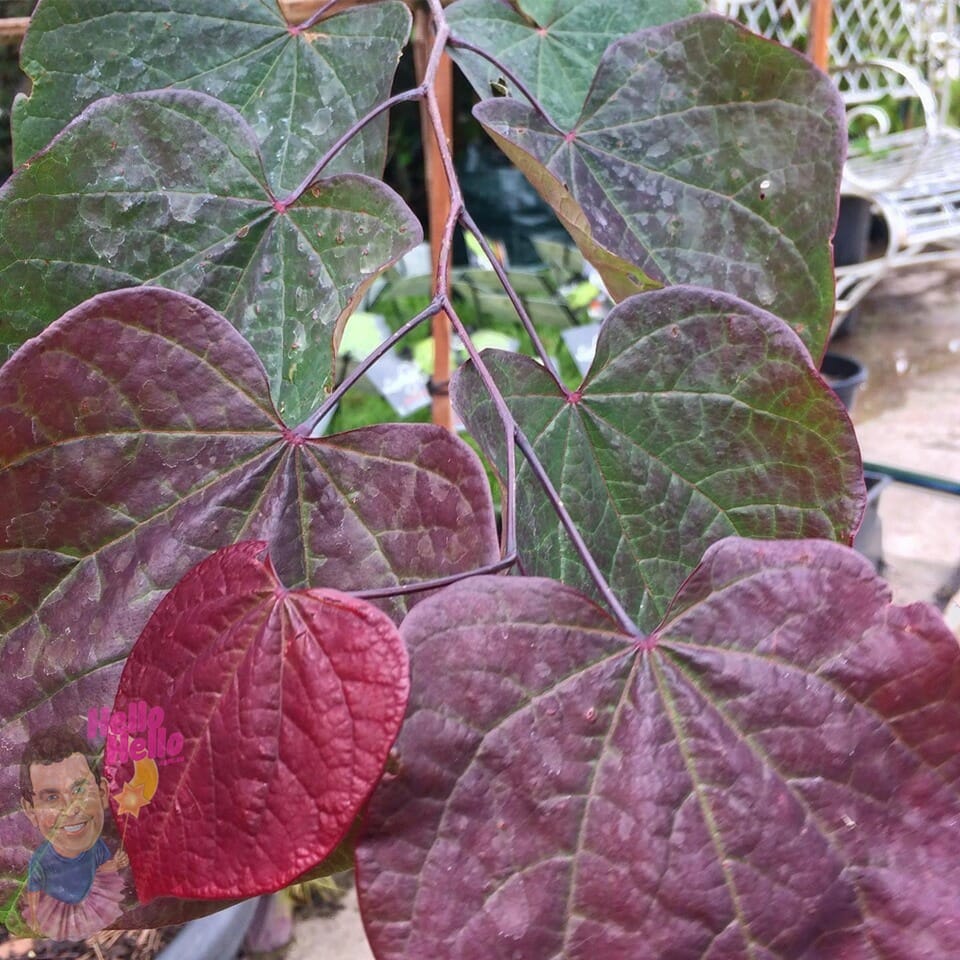
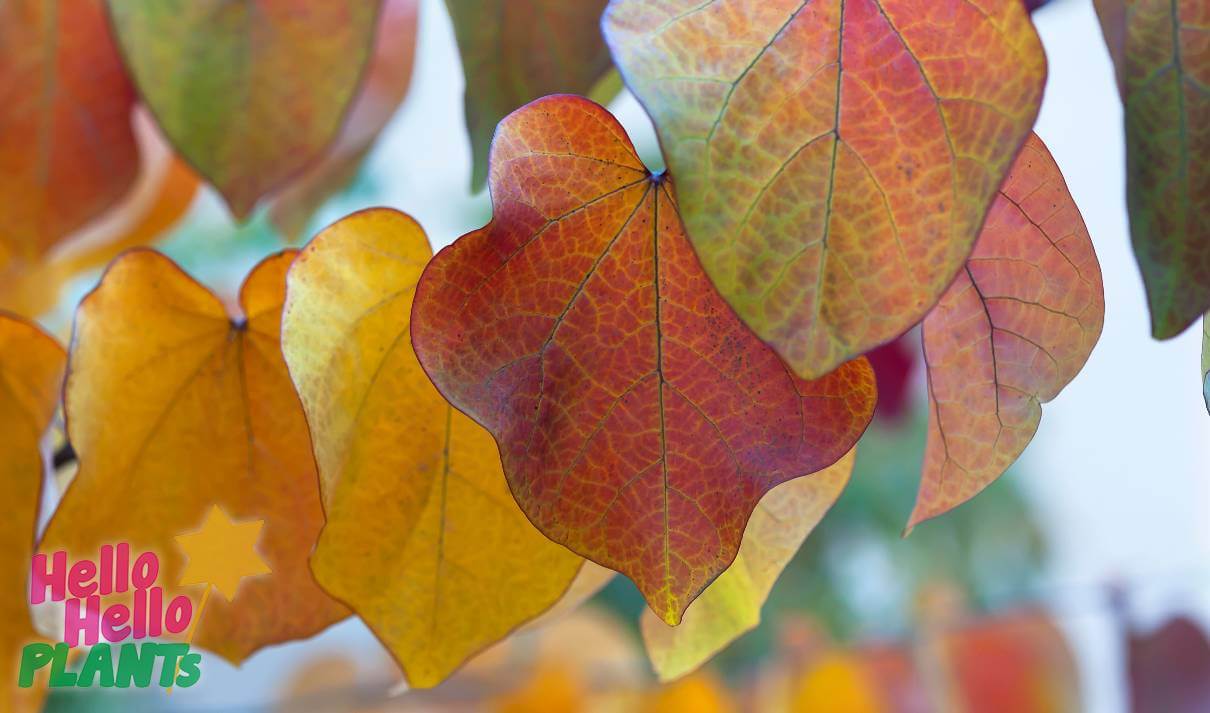
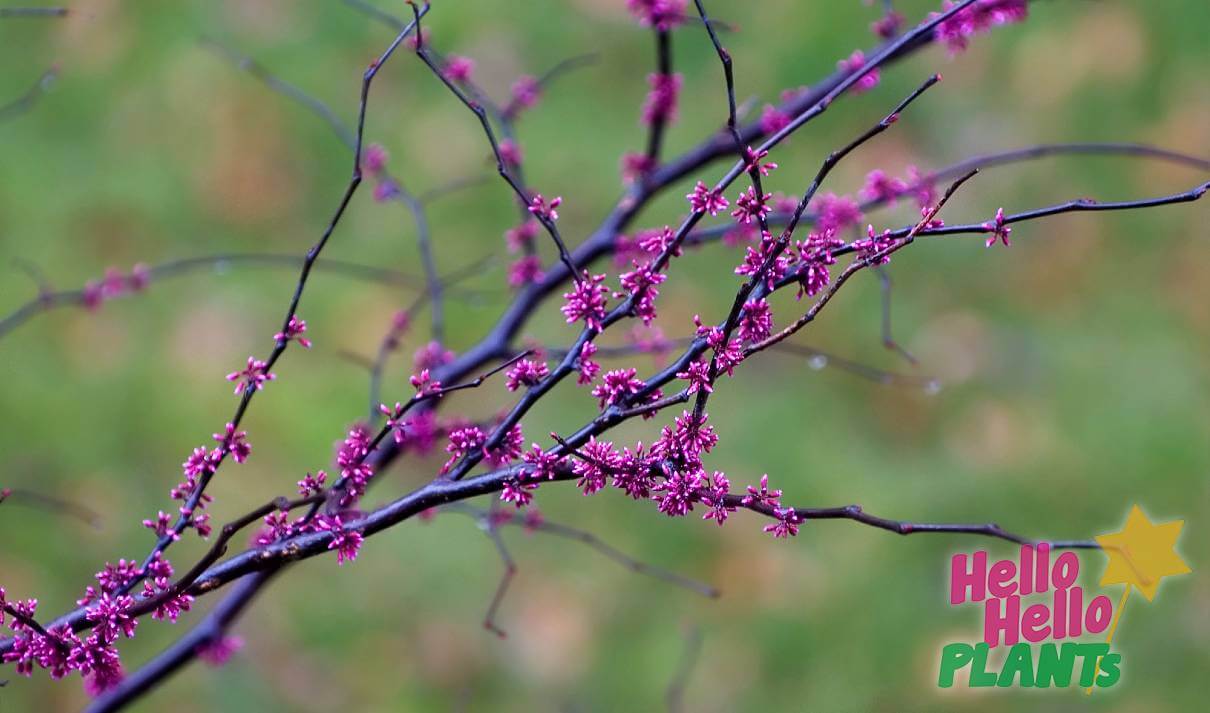
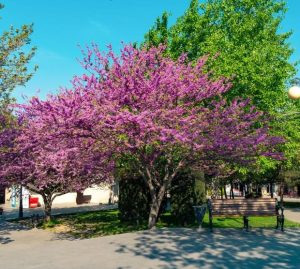
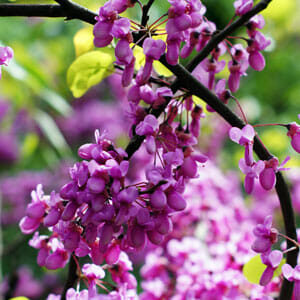
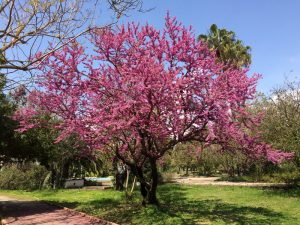
Cercis are incredibly unique feature plants. Grown in both shrub and tree forms, these gorgeous plants produce large, delicate heart-shaped leaves upon dark branches, coming in green to rich purples and reds. In the autumn these leaves turn vibrant orange, reds and yellows before falling and baring the smooth, sleek bark. In the spring is when this plant really shines! Pink or magenta blossoms burst along the bare branches and stems, covering the plant in a vibrant glow.
Redbuds enjoy a fertile, well draining soil to look their absolute best. They tolerate sandy loam and clay loam soils as well as frost, but their leaves will start to curl in extreme heat and drought without enough water or shade from the afternoon sun.
Small, pea-like magenta/pink or white flowers appear along bare branches in spring.
Foliage
Heart-shaped foliage. Colours range from green to deep purple. On purple foliage varieties such as the Forest Pansy, new growth is dark purple, which becomes lighter with age. On green varieties the new growth is a light lime green, which darkens with age. In autumn, the foliage turns reds, oranges, purples and yellows.
Fruit / Seeds
Seed pods appear just after flowering and stay on the tree through until autumn. Long, bean-shaped.
Edible
No
Toxicity
Contains a toxin called saponin. However, saponin usually passes straight through the system with little to no effect. This tree is not known to be toxic to animals or humans.
Attracts
Bees, Butterflies
Care
Sun Requirements: A full sun or part shade position, ideally shaded by harsh afternoon sun in hot climates.
Water Requirements: Water regularly from spring through to autumn. In hot climates, make sure plant is watered daily to maintain lush foliage.
Soil Requirements: Prefers moist, well-drained loamy soil. Will tolerate sandy-loam and clay-loam soils. Cercis do not tolerate compacted, hard clay or soggy areas.
Pruning: Late winter just before budswell or in the spring just after the blossoms are spent. Pruning whilst the tree is dormant and bare makes it easier to see what needs to be removed and the true form of the tree. For more on pruning, see our Pruning advice page.
Tolerances: Frost. Does not tolerate soggy soils, wind or drought.
Pests & Diseases: Canker, dieback, leaf spot, blight and mildew
Which Cercis To Choose?
There are several varieties of Cercis to choose from. Here's some of our most popular: