

Common Names: Common Camellia, Japanese Camellia (japonica)
Origin: Asia
- Striking, glossy green foliage
- Winter flowers
- Hedging and feature plant
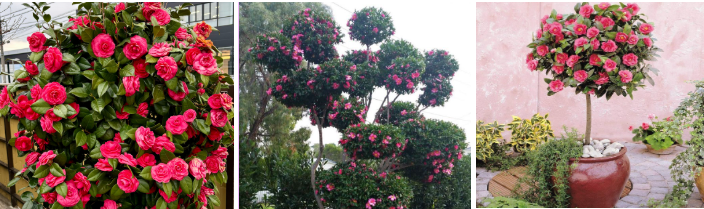
Camellias are one of the most popular garden plants of all time, and with the enormous choice of varieties and ways you can use them in your garden, it’s not hard to see why. They are often seen as gorgeous feature hedging or as manicured specimen trees, bringing abundant vibrant colour to the garden during the winter months.
Plant Type: Tree, Shrub
Uses: Medium Hedge, Standards & Topiary, Pleaching
Garden Types: Pots & Containers, Formal, Hampton, Japanese, Courtyard
Care
Sun Requirements: Shade to part sun position. Some species can endure more sun than others
Water Requirements: Water regularly until established. Requires water during the dryer months.
Soil Requirements: Moist, well drained, rich loamy soil. Grows best in slightly acidic soil
Fertilizing: A specific fertiliser best suited to acidic loving plants, such as Osmocote Slow Release Fertiliser: Roses, Gardenias, Azaleas & Camellias. Give a few handfuls of potash and sulfate just before flowering.
Pruning: Before bud swell, which can depend on the species. Hard prune to revitalize leggy or sparse growth.
Tolerances: Shade. Sasanqua species tolerates salt, sun and light frost.
Pests & Diseases: Aphids, Thrips, Mites, Caterpillar, Scale, Weevils, Sooty Mold, Root Rot, Dieback, Canker, Leaf Gall
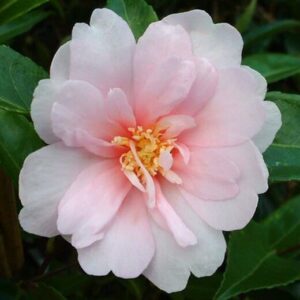
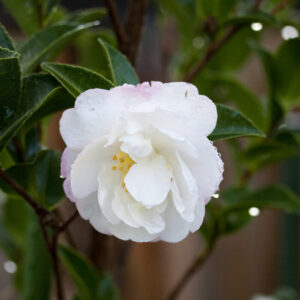
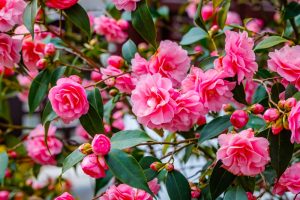
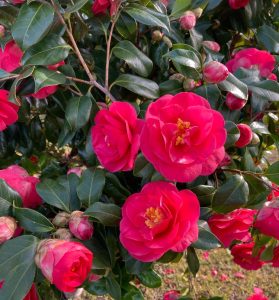
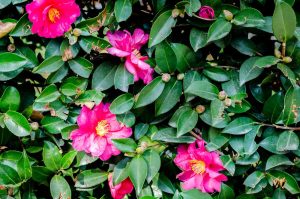
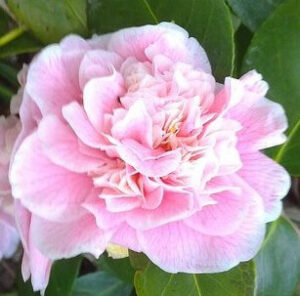
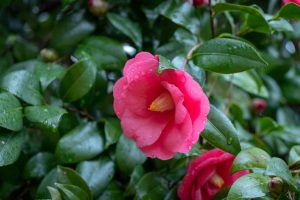
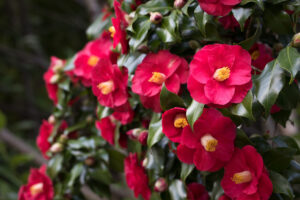
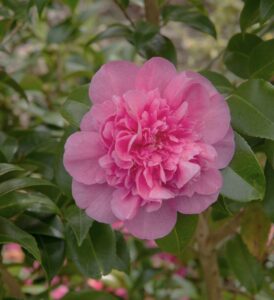
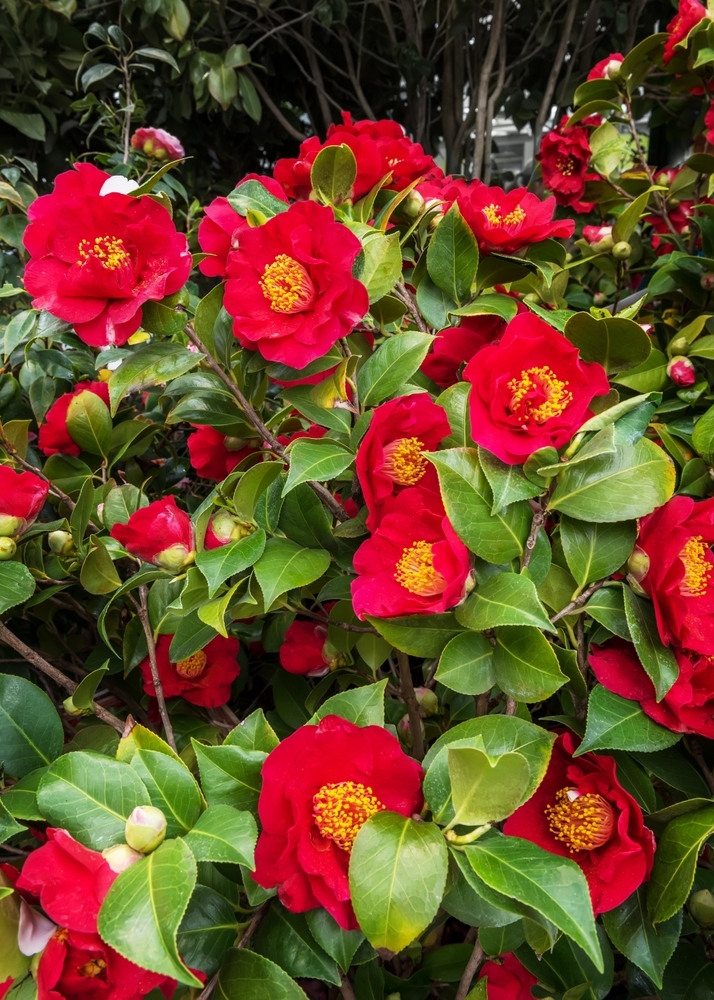
Flower: Large to medium, soft, heavy blooms. Some species will have multiple petals, ruffled petals or wavy petals. Cluster of yellow stamen in the centre is visible in some varieties. Comes in whites, reds, pale to deep pinks, purples and variegated.
🌿 Main Camellia Species Grown in Gardens
| Species | Common Name | Flowering Season | Key Traits |
|---|---|---|---|
| Camellia japonica | Japanese Camellia | Late winter → spring | Classic large flowers, glossy dark leaves, slow-growing, prefers cool shade. |
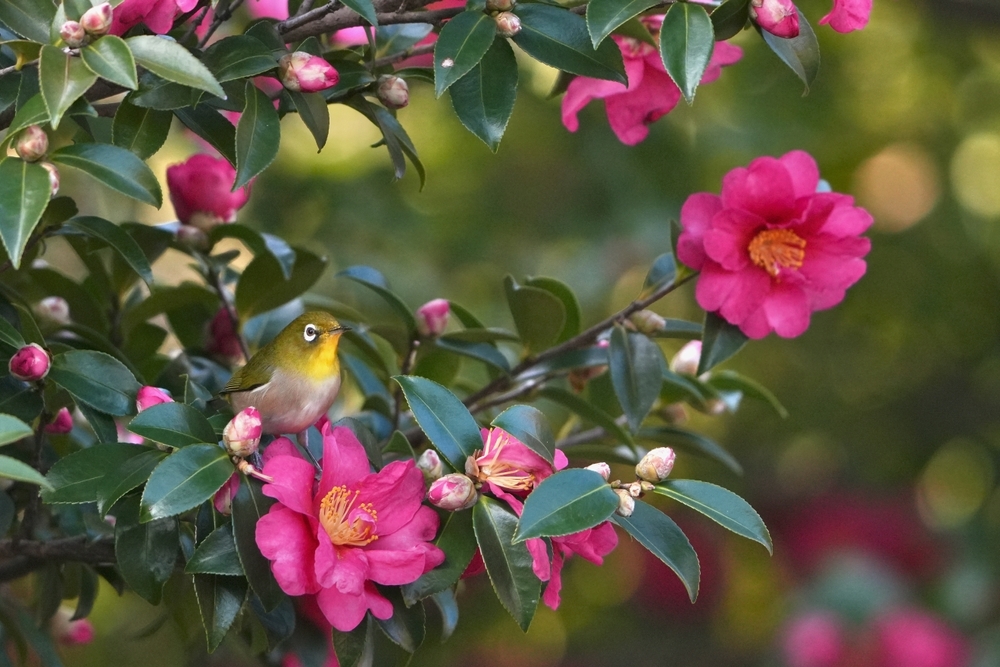
| Camellia sasanqua | Sasanqua Camellia | Autumn → early winter | Smaller flowers, more sun-tolerant, faster-growing; great for hedging. |
| Camellia sinensis | Tea Camellia | Late winter → early spring | Source of green, black, white & oolong teas; productive in mild climates. |
| Camellia reticulata | Reticulata Camellia | Winter → early spring | Huge showy blooms (often 15–20 cm); prefers sheltered positions. |
Tea Camellia
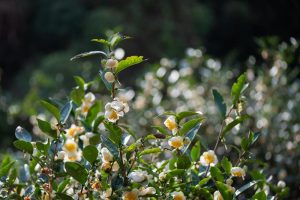
Did you know one Camellia species gives us one of the world’s favourite drinks? Camellia sinensis, known as the Tea Camellia, is grown for its leaves, the source of black and green tea.

It thrives in similar conditions to Camellia japonicaand sasanqua, meaning you can easily grow your own tea at home!
-
Camellia sasanqua ‘Snow’ Standard 13″ Pot
0 out of 5 0$149.99Original price was: $149.99.$139.99Current price is: $139.99.$149.99Original price was: $149.99.$139.99Current price is: $139.99. -
-
-
-
-
-
-
-
-
Camellia japonica ‘Kumasaka’ 8″ Pot
0 out of 5 0$49.99Original price was: $49.99.$39.99Current price is: $39.99.$49.99Original price was: $49.99.$39.99Current price is: $39.99. -
-
Camellias are an enduring symbol of elegance and resilience, admired for their glossy foliage and spectacular blooms. With the right care and growing conditions, they’ll reward you with years of beauty and seasonal colour.