


icon
bg_image


Common Names:
Sage

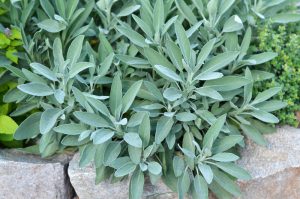
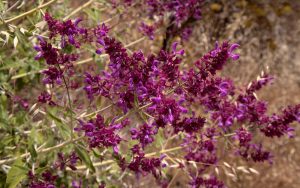
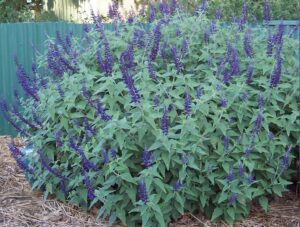
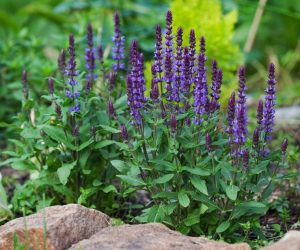
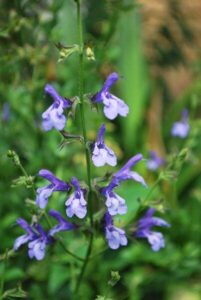
Few plants have earned as much respect across the centuries as the Sage plant, also known as Salvia officinalis. This hardy, aromatic herb is valued for its healing properties, culinary uses, and garden beauty.

With soft, silvery green leaves and a fragrance that instantly awakens the senses, sage is more than just a kitchen staple; it’s a plant rich in history, tradition, and versatility.

Plant Type: Perennial

Uses: Bee Attracting, Pollinator, Mass Planting, Pots & Containers

Garden Types: Cottage, Courtyard, Edible Garden, Pots & ContainersHampton, Coastal

Growing sage brings a touch of timeless charm and practicality to any garden. It’s a resilient plant that offers fragrance, beauty, and usefulness throughout the year. Whether you grow it for cooking, for its pollinator-friendly flowers, or simply for its soothing scent, sage remains one of the most rewarding and enduring herbs to cultivate.

Care


Sun Requirements: Prefers a full sun or part shade position

Water Requirements: Water regularly until established. Once established they are drought-hardy.

Soil Requirements: Prefers moist, well-drained loamy soil. Will tolerate sand and loamy clay soils

Fertilizing: Slow Release general-purpose fertilizer in spring and summer. Not required once established unless soil lacks nutrients

Pruning: After flowering. Salvia’s benefit from a good chop back to encourage new growth the following season

Tolerances: Sun, poor soils, pollution, and drought. Salvia grow well in cold climates though they will die back in frost, re-growing again in the warmer months.

Diseases: Caterpillars

Check out our beautiful Salvia varieties 🌿

Edible Types of Sage


Not all sage plants are suitable for eating, but several species of Salvia are both safe and delicious, offering a range of flavours, colours, and aromas for cooking and tea making. Here are some of the most popular edible varieties:

Common Sage (Salvia officinalis)
This is the classic culinary sage used in kitchens worldwide. Its grey-green leaves have a strong, earthy aroma with a slightly peppery taste. It’s perfect for seasoning meats, sauces, and roasted vegetables.

Purple Sage (Salvia officinalis ‘Purpurascens’)
Known for its striking purple-tinted leaves, this variety has the same culinary qualities as common sage but adds a beautiful pop of colour to the garden. It’s excellent for both cooking and ornamental use.

Golden Sage (Salvia officinalis ‘Icterina’)
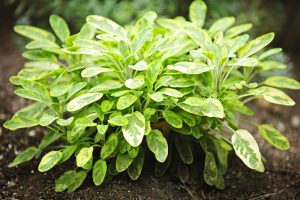
A variegated form of culinary sage, golden sage features green and yellow leaves with a mild, sweet flavour. It is often used as a garnish or in herbal teas, and its colourful foliage brightens herb gardens.

Pineapple Sage (Salvia elegans)
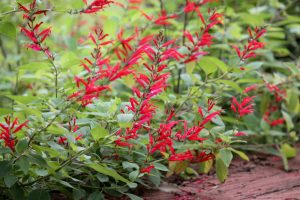
This fragrant variety is a favourite for desserts and drinks. It produces bright red flowers and leaves that release a sweet pineapple scent. The leaves can be used to flavour teas, fruit salads, and cocktails, while the flowers are edible and make a lovely garnish.
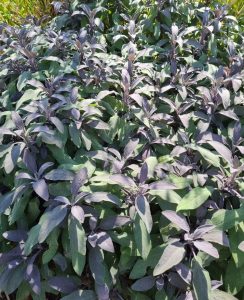
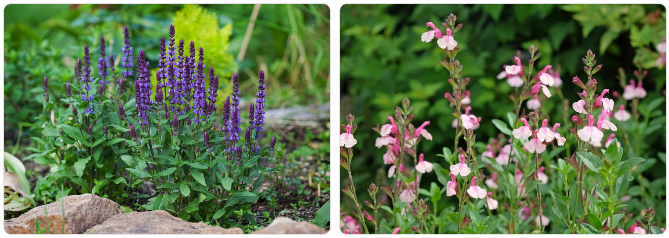
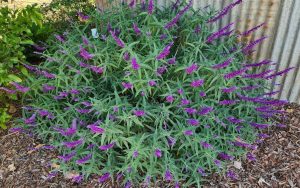
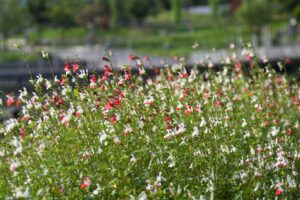
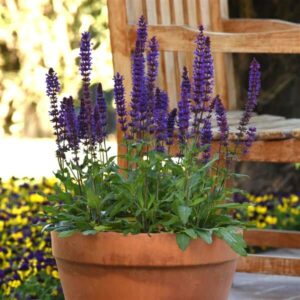
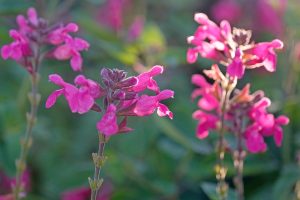
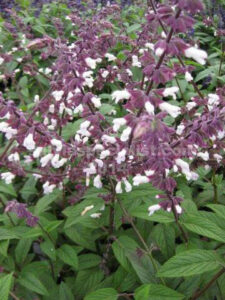
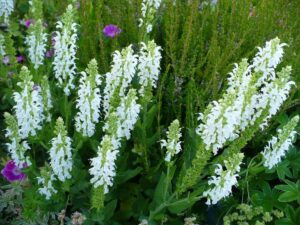
A garden scene with vibrant purple Salvia flowers on the left and pink-and-white sage blooms on the right, both surrounded by lush green foliage.

Symbolism and Spirit

Sage is also known for its symbolic meaning. In many cultures, it represents wisdom, purification, and protection. Burning dried sage, often called smudging, is a traditional practice believed to cleanse spaces and promote clarity. Even beyond its spiritual associations, the calming scent of sage has a grounding effect that brings peace and freshness to the home.

Select the fields to be shown. Others will be hidden. Drag and drop to rearrange the order.
  • Image
  • SKU
  • Rating
  • Price
  • Stock
  • Availability
  • Add to cart
  • Description
  • Content
  • Weight
  • Dimensions
  • Additional information
Click outside to hide the comparison bar
Compare