icon
bg_image
The Timeless Beauty of Olive Trees

Olive trees have been cherished for thousands of years, symbolising peace, resilience, and prosperity across ancient cultures. Known for their graceful silver-green foliage and striking sculptural trunks, these iconic trees bring instant Mediterranean charm to any garden or landscape.

Hardy, drought-tolerant, and long-lived, olive trees thrive in Australia’s warm climate and adapt well to both pots and open ground. Their slow, steady growth and evergreen canopy make them an ideal choice for courtyards, feature plantings, driveways, and modern architectural gardens.

Whether you’re drawn to their ornamental elegance or dreaming of harvesting your own home-grown olives, these beautiful trees offer a unique blend of style and practicality. With minimal maintenance and strong resistance to pests and diseases, olive trees continue to be one of the most rewarding choices for gardeners of all experience levels.


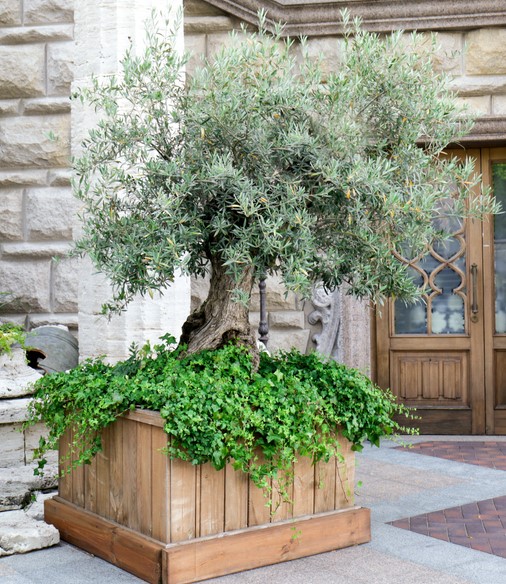
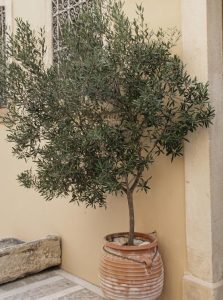
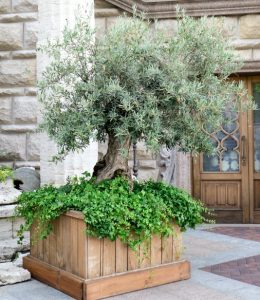
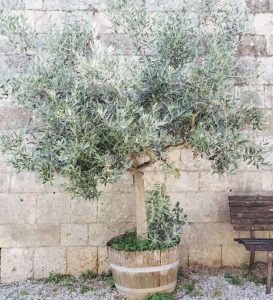
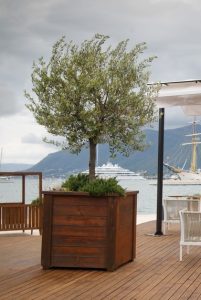
A small olive tree grows in a wooden planter box, surrounded by lush green foliage, placed on a stone-paved area in front of a building with stone walls and wooden doors.

A Tree With History in Every Branch

Olive trees (Olea europaea) are among the oldest cultivated plants on Earth. Some ancient specimens, still standing today, are believed to be over 2,000 years old. Their twisted trunks and shimmering silver-green leaves give them a sculptural, timeless beauty that only gets better with age.

Every olive tree tells a story—etched into its bark, shaped by seasons, and passed down through generations.


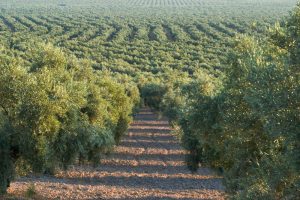
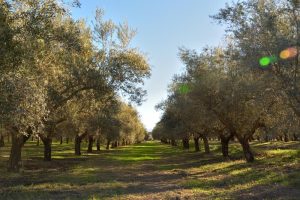
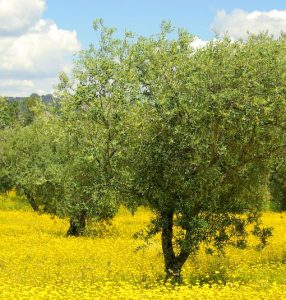
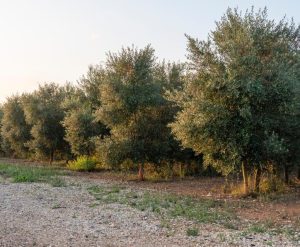
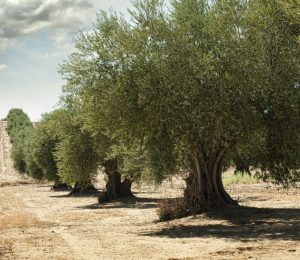
Rows of olive trees stretch into the distance in a vast, orderly olive grove under natural daylight.

Perfect for Australian Conditions

Australia’s warm, dry climate is almost tailor-made for olive trees. They thrive in full sun, tolerate heat, and once established, require very little water. Their resilience makes them the ideal choice for modern gardeners who want beauty without high maintenance. Whether planted in the ground as a statement feature or displayed in large pots on balconies and courtyards, olive trees bring effortless Mediterranean charm to any space.

Do all olive trees produce olives?

Not quite — and that’s what surprises many gardeners. While most people assume every olive tree will eventually give fruit, only the true fruiting varieties like Picual, Kalamata, Manzanillo and Frantoio reliably produce generous crops once mature. On the other hand, some olives are grown purely for their shape and beauty. Varieties such as Swan Hill and Tolley’s Upright are considered ornamental, producing little to no fruit and perfect for those who love the Mediterranean look without the seasonal mess. Even among fruiting types, young trees need time, sunshine and maturity before they begin to crop. So whether you're after home-grown olives or simply the iconic silvery foliage, choosing the right variety makes all the difference.

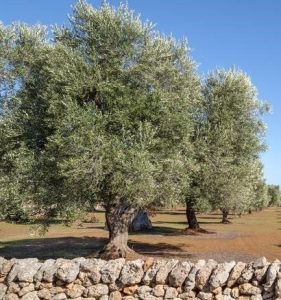
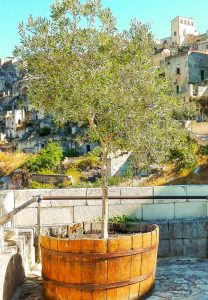
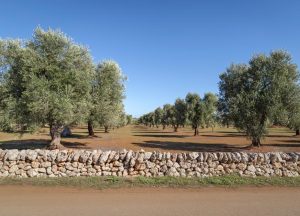
A field with evenly spaced olive trees, bordered by a low stone wall, and set against a clear blue sky, evokes the tranquility of nature. It's almost as serene as learning how to water indoor plants properly.
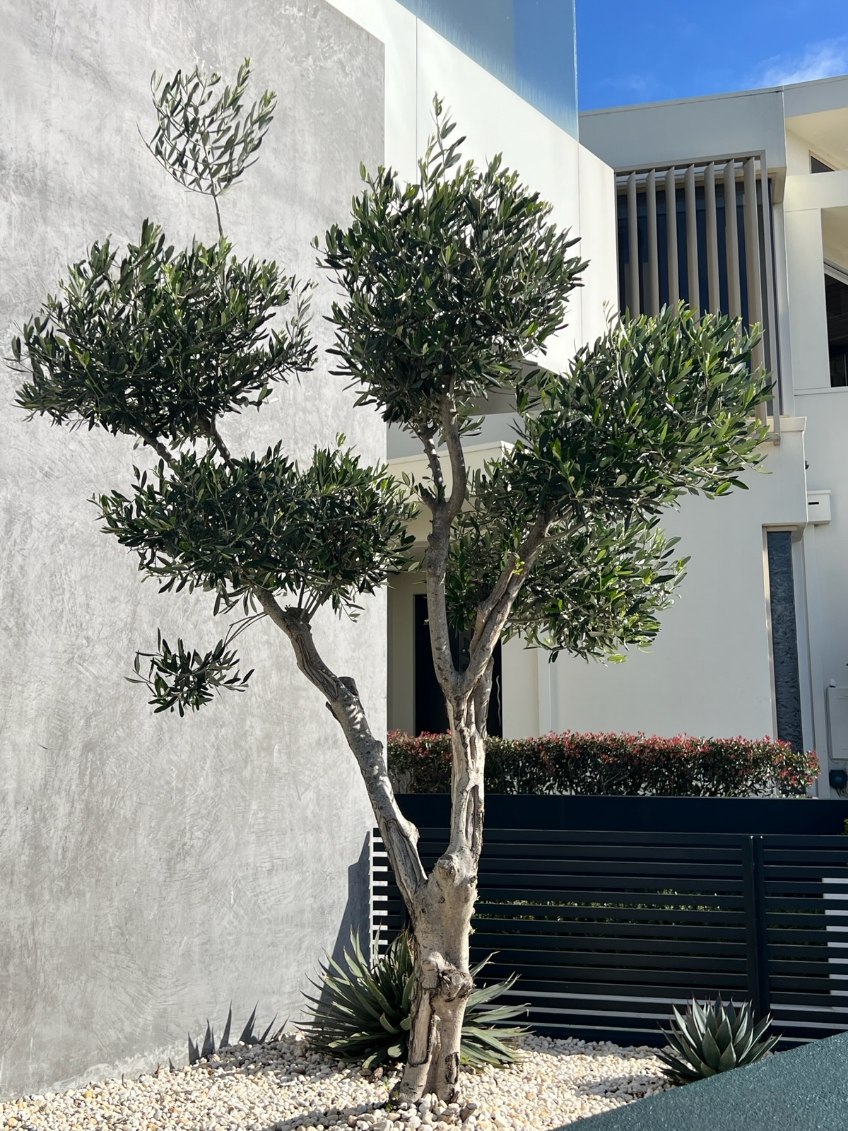
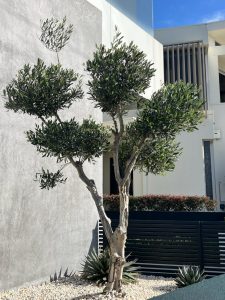
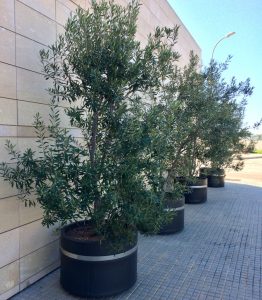
An Olea europaea 'Cloud Pruned' Olive 75L with a textured trunk and green leaves stands in a gravel landscaping area adjacent to a modern, light grey building on a clear, sunny day.
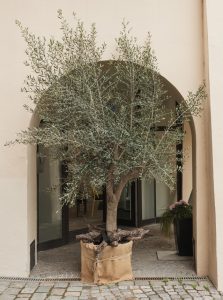
An Olea 'Kalamata Jumbo' Olive Tree in a large pot wrapped in a burlap sack is placed in front of an arched doorway of a beige building.

Elegant and Versatile

Beyond their ornamental value, olive trees offer practical benefits too:

  • They’re evergreen, keeping your garden lush all year.
  • Their compact growth suits both small and large landscapes.
  • Many varieties produce delicious fruit for home harvests.
  • Their strong structure adds architectural interest to contemporary garden designs.

From driveways lined with manicured olives to single specimen trees in classic terracotta pots, the styling possibilities are endless.

Find your perfect olive tree in our collection below.

FAQ

How Long Does it Take For Olive Trees to Fruit?

It depends on how long the Olive Tree has been grown for. If it’s from a grafted juvenile tree, it can take three to five years to produce a good crop of olives.

You can buy trees that are already sexually mature and may produce olives within a few months, but these are usually very small plants that grow slowly because they use energy to fruit early.

We sell cutting-grown juvenile trees, which are strong growers. They usually take 3–5 years to produce heavy crops, although you may get a few olives earlier. Because they are not sexually mature yet, they grow larger and faster before focusing on fruit.

Olive Trees can be grown from seed, but fruit quality is unpredictable. Tricky varieties are grafted and cost more, but most Olive Trees—including ours—are grown from cuttings.

The best budget-friendly option is a small cutting-grown Olive Tree.

How Expensive Are Olive Trees?

Despite their elegance, Olive Trees are very affordable. Buying them small offers the best value, as they grow quickly and establish well.

Are Black or Green Olives Better?

Your tree produces both! Olives begin green and turn black as they ripen. A heavy crop one year may lead to a lighter one the next, especially in older varieties. Newer varieties are bred for more reliable cropping.

Planting a few different Olive Trees improves cross-pollination and fruit yield.

Do Olive Trees Have Dangerous Root Systems?

No. Olive Trees have non-invasive root systems. They are generally considered safe to plant near homes, driveways, and structures.

Select the fields to be shown. Others will be hidden. Drag and drop to rearrange the order.
  • Image
  • SKU
  • Rating
  • Price
  • Stock
  • Availability
  • Add to cart
  • Description
  • Content
  • Weight
  • Dimensions
  • Additional information
Click outside to hide the comparison bar
Compare